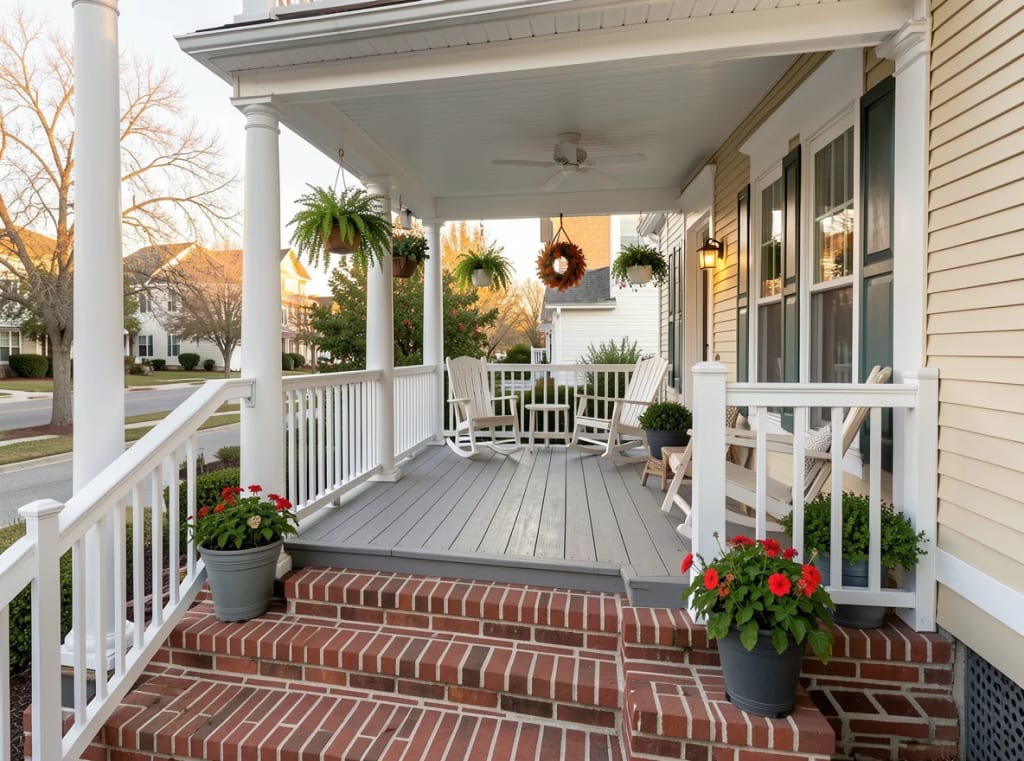
Compare Hampton and Chesapeake through six practical questions about home styles, yard space, recreation, commute patterns, and neighborhood feel before you start touring homes.
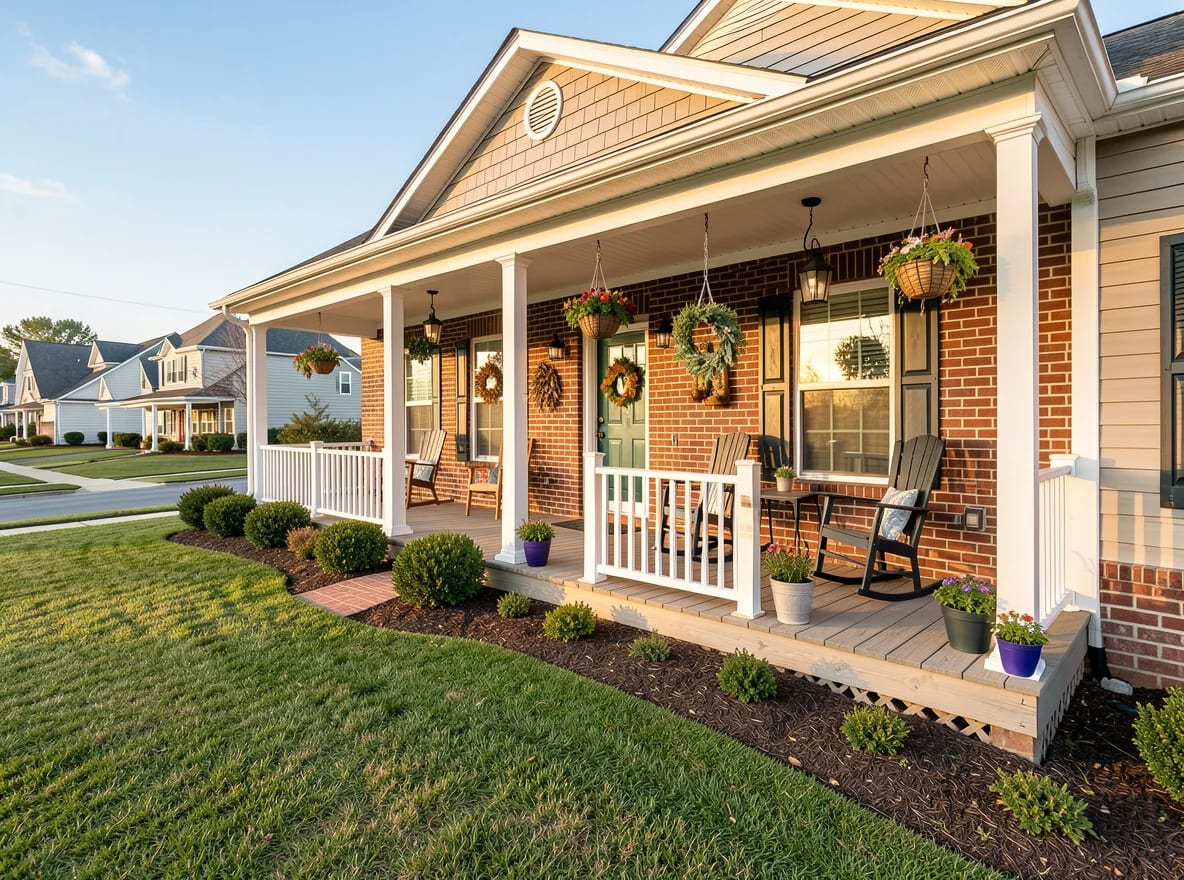
For families comparing Hampton and Chesapeake, the first smart question is not simply which city has more listings, but which market better fits your budget, daily routine, and long-term goals. Hampton often attracts first-time buyers who want to stay close to waterfront amenities, established neighborhoods, and a mix of older homes and newer options at a range of price points. At the same time, buyers need to weigh practical issues such as flood-zone considerations, commuting patterns across Hampton Roads, and the differences in lot size, housing style, and neighborhood feel when measured against Chesapeake.
This guide opens with Hampton because understanding one side of the comparison helps families make better decisions before they start touring homes. In the sections ahead, readers will get a clear framework for comparing affordability, home styles, recreation, and everyday livability in Hampton versus Chesapeake so they can narrow their search with more confidence.
For families comparing Hampton and Chesapeake, financing options can change the conversation just as much as square footage or commute time. In Hampton, many first-time buyers start by looking at Virginia Housing programs, formerly known as VHDA loans. These can include conventional, FHA, VA, and USDA-backed options paired with first-time buyer education and, in some cases, down payment assistance. A household that qualifies for a low-down-payment loan may be able to keep more cash available for inspections, moving costs, or early repairs on an older brick ranch or Cape Cod-style home.
Buyers should also watch for grant and assistance opportunities offered through local or regional housing agencies, since availability can shift over time. Some programs help with down payment or closing costs, while others focus on income-qualified households purchasing a primary residence. For example, a Hampton buyer who meets income and credit guidelines might combine a Virginia Housing mortgage with assistance that reduces upfront cash needs, making a modest neighborhood purchase more realistic than expected.
That matters in a Hampton-versus-Chesapeake decision because assistance can widen your options. A family that thought it needed to wait may find that Hampton's price points, paired with statewide support programs, make ownership possible sooner. Before choosing a city, compare not just home prices, but also which loan and assistance programs fit your budget, household income, and timeline.
For families comparing Hampton and Chesapeake, eligibility rules matter because assistance programs can change what price range feels realistic in each city. Many first-time buyer programs in Virginia start with three basic tests: whether you meet the program’s income cap, whether your credit profile supports the loan, and whether you qualify as a first-time buyer under the program’s definition. In many cases, “first-time” means you have not owned a primary residence in the past three years, but buyers should always confirm the exact rule for the loan or grant they are considering.
Before you tour homes, gather recent pay stubs, W-2s or tax returns, and a rough estimate of monthly debts so you can compare your household income against current limits. Review your credit score early and correct reporting errors before applying. If Hampton’s older housing stock or Chesapeake’s larger-lot neighborhoods appeal to your family, checking eligibility first helps you focus on homes and payment ranges that match the assistance you may actually use.
If your family is weighing Hampton against Chesapeake, the application process for first-time buyer programs usually starts before you choose a specific home. Begin by gathering recent pay stubs, W-2s or tax returns, bank statements, a photo ID, and details on current debts. Many Virginia programs and lender products will also ask about household income, credit history, and whether you meet the first-time buyer definition. A homebuyer education course is often part of the process, and it can help you understand budgeting, loan options, and closing costs before you tour homes in either city.
Next, talk with a lender about pre-approval and ask which assistance programs may fit your situation. Then work with a local agent who knows how Hampton and Chesapeake differ in price, lot size, commute patterns, and neighborhood feel. One common misconception is that assistance programs guarantee free money or remove all upfront costs; in reality, many have income limits, property rules, or repayment terms. Another is that you must pick a city first. In practice, many families compare both markets, confirm program eligibility, and then narrow their search once monthly payment ranges and location priorities are clear.
Once your family has narrowed the Hampton versus Chesapeake decision, the smartest next move is to get specific about budget, timing, and daily lifestyle. Start with mortgage pre-approval so you know what payment range fits comfortably before touring homes in Hampton neighborhoods near parks, waterfront areas, or commuter routes. If you are still weighing tradeoffs, attend a first-time buyer workshop or lender seminar that explains loan options, down payment assistance, and closing costs in plain language.
It also helps to build a short list of must-haves tied to this comparison: yard size, school commute, access to marinas or neighborhood parks, and the kind of housing style your family prefers. As you review options in Hampton, ask how each area feels on a weekday afternoon, not just during a weekend showing. Working with a local agent can help you compare Hampton opportunities with Chesapeake alternatives in a more practical, street-by-street way.
Hampton Listings for Family Buyers
Browse active Hampton homes with at least three bedrooms and approachable price points to compare real options after reviewing family-focused buying questions.
Sign in with your email address
You’re being redirected to the page with listing data.